
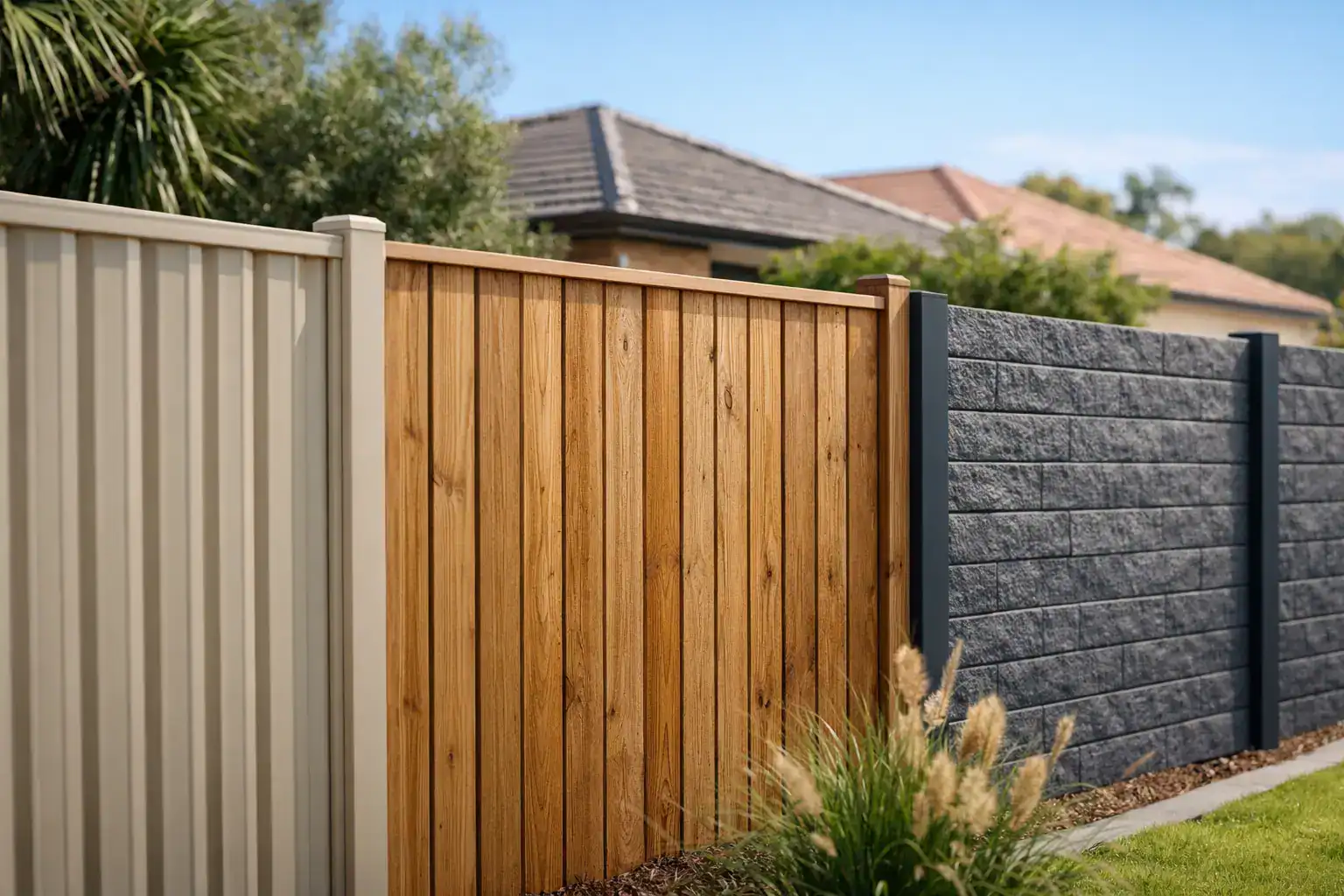
A fence can look excellent on installation day and still become a costly problem a few years later. Perth’s strong UV exposure, dry heat, coastal salt air and winter rain put every component under pressure. So, what fence material lasts longest? For most Perth homes and commercial properties, quality powder-coated aluminium is the strongest long-term choice because it will not rust, resists corrosion and requires very little ongoing maintenance.
That does not make aluminium the automatic answer for every boundary. Privacy requirements, site exposure, security needs, bushfire considerations, pool compliance and the quality of installation all affect how long a finished fence will perform. The longest-lasting material is only as good as the posts, fixings, footings and workmanship holding it in place.
What fence material lasts longest in Perth conditions?
High-grade aluminium generally delivers the best balance of service life, appearance and low maintenance in Perth. It does not contain iron, so it cannot rust in the way steel fencing can. When it is finished with a quality exterior-grade powder coat and installed with suitable aluminium or galvanised components, it stands up particularly well to sun, rain and salt-laden air.
Aluminium slat fencing and aluminium tubular fencing are both proven options for local properties. Slats can create a private, modern boundary without the upkeep associated with painted timber, while tubular fencing offers clear sightlines and dependable security around front yards, side boundaries and pool areas. Neither option is completely maintenance-free, but regular washing is usually enough to keep it looking sharp.
For a property close to the coast, material specification matters even more. Salt can settle on fence surfaces and hardware, accelerating corrosion where lower-grade metals or incompatible fixings have been used. Choosing a fencing system designed for the site, rather than simply choosing the cheapest panel, makes a substantial difference over the years.
Aluminium fencing: the best all-round long-life option
A properly installed aluminium fence can remain structurally sound and attractive for decades. Unlike timber, it will not rot, split, warp or attract termites. Unlike untreated steel, it does not develop rust. Its lighter weight also reduces strain on posts and gates, which is valuable where a long boundary includes access gates or custom sections.
The powder-coated finish is a key part of aluminium’s performance. A premium coating protects the metal, provides consistent colour and helps the fence cope with harsh sunlight. Dark colours can still show dust or salt residue, especially near the coast, but this is a cleaning issue rather than a material failure.
Aluminium is not invulnerable. Deep scratches, impact damage and poor-quality fittings can shorten its life. Gates need correctly aligned hinges and solid posts, while fence panels need enough clearance from garden beds, sprinklers and hard surfaces to avoid unnecessary wear. This is why accurate site measurement and professional installation are not extras. They are part of a long-lasting fencing outcome.
Best applications for aluminium
Aluminium slat fencing suits homeowners seeking privacy, airflow and a contemporary street presence. It can be configured horizontally or vertically, with spacing adjusted to suit the level of screening required. Aluminium tubular fencing is ideal where security, visibility and pool safety are priorities. Both options work well across residential, strata and commercial sites.
How long does Colorbond steel fencing last?
Colorbond steel fencing is another durable Perth favourite and remains an excellent choice for side and rear boundaries. It provides strong privacy, consistent height and a clean finish, without gaps that invite overlooking. With suitable coating protection and proper installation, a Colorbond fence can provide many years of reliable service.
Steel is inherently stronger than aluminium in some structural applications, but it has one clear long-term consideration: corrosion. Colorbond steel is manufactured with protective metallic and painted coatings, yet cut edges, damaged surfaces, pooling water and poor drainage can create weak points. Coastal exposure also requires careful material selection and detailing.
For an inland suburban block, Colorbond is often a practical and long-lasting solution. For highly exposed coastal locations, aluminium may offer greater peace of mind because rust is not part of the equation. It is also worth considering the look. Colorbond gives a solid, traditional privacy boundary, while aluminium slats offer more flexibility in design and airflow.
Glass fencing lasts, but the hardware matters
Toughened glass is one of the most durable materials used around a pool or balustrade. It will not rust, rot, fade like painted timber or become brittle under normal outdoor conditions. A well-designed frameless or semi-frameless glass pool fence can retain its clean appearance for a very long time.
However, glass fencing should be assessed as a complete system. The panels are durable, but the spigots, clamps, hinges, latches and anchors require quality materials and correct installation. Stainless steel hardware is commonly used, but it still needs routine cleaning in coastal areas to remove salt deposits and prevent surface staining.
Pool fences must also remain compliant over their full service life. A gate that no longer self-closes properly, loose hardware or changed landscaping can create a safety issue even if the glass itself is in perfect condition. Periodic checks are essential for every pool barrier, particularly after storms, renovations or ground movement.
Timber, PVC and other fencing materials
Timber fencing can be attractive, economical at the outset and well suited to classic garden settings. Its lifespan, however, depends heavily on the species, treatment level, drainage and maintenance. Perth sun can dry and crack unprotected timber, while moisture at ground level can lead to rot. Termites are another consideration. Regular sealing, painting or staining can extend its life, but timber is rarely the lowest-maintenance long-term option.
PVC and vinyl fencing do not rust or rot, but intense heat and UV exposure can affect lower-grade products over time. Fading, chalking, brittleness and expansion can become concerns, particularly where materials are not designed for Australian conditions. Quality varies significantly, so the advertised lifespan should be considered carefully.
Chain mesh fencing is durable and useful for sporting areas, industrial sites and functional enclosures, especially when galvanised or coated. It does not generally provide the privacy or refined finish most homeowners want for a front or side boundary. Decorative steel and wrought-iron-style fencing can last well too, but only with diligent corrosion protection and repainting where required.
The installation details that determine fence life
Even the best fence material can fail early when installation standards are poor. Posts need to be set at the right depth and spacing for the ground conditions, fence lines need to accommodate falls and drainage, and all fixings must suit the material and exposure level. Mixing incompatible metals can cause corrosion, while undersized posts can lead to movement and sagging.
Gates deserve particular attention. A gate is a moving structure, so its hinges, latch, frame and supporting posts experience more stress than a fixed panel. A correctly engineered and installed automatic gate or pedestrian gate will operate smoothly and protect the fence system around it. A poorly supported gate can pull an otherwise sound fence out of alignment.
Maintenance also protects your investment. Rinse aluminium, steel and glass fencing periodically, especially near the coast or beside busy roads. Keep sprinklers from constantly wetting panels and posts. Trim plants away from the fence line, inspect gates and latches, and repair coating damage before exposed metal becomes a bigger issue.
Choosing the right long-lasting fence for your property
For a private modern boundary with minimal upkeep, aluminium slats are hard to beat. For a secure, open-style enclosure or compliant pool barrier, aluminium tubular fencing is a reliable choice. For an economical full-privacy side boundary, Colorbond steel remains a proven option. For an uninterrupted pool view or premium outdoor area, glass can deliver exceptional longevity when its hardware is properly specified and maintained.
A coastal block may need more corrosion-resistant materials and fittings than an inland property. A commercial site may prioritise security and access control, while a family home may place greater value on privacy, pool safety and street appeal. The right answer is the fence system that meets those needs without creating a heavy maintenance burden.
At Topline Fencing, we help Perth property owners select, design and install fencing that suits the site, the budget and the expected service life. Our professional site inspections can identify exposure risks, boundary challenges and compliance requirements before the work begins.
We only choose materials for the conditions they will face every day, not simply for how they look in a brochure. A quality aluminium, Colorbond or glass fence, installed with the right posts, hardware and workmanship, will protect your property and continue looking the part for years to come.